

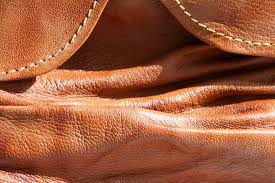
Calfskin: The most commonly used leather, mostly sourced from high-quality bull calfskin from European ranches, such as Togo (bull leather), Clemence (matte bull leather), and Epsom (hard embossed leather).
Goatskin: Primarily sourced from the French company Alran, the hides are mostly from Coromandel goats in Africa, undergoing meticulous tanning.
Special Care Leathers: Such as Barenia natural calfskin, mainly used for saddles and high-end bags.
2. Rare Leather Sources
Crocodile/Alligator:
Borneo Porosus: From Southeast Asia and Australia, its leather is extremely rare, with tightly packed scales on the belly, commanding the highest price.
Nile Crocodile: From the Nile River basin.
Alligator: Mostly from Florida, USA, smaller in size, with scales typically without pores.
Lizard skin: Commonly from the Nile monitor lizard in Africa, characterized by its small, tightly packed scales.
Ostrich skin: From Africa, known for its prominent pores and soft, durable texture.
3. Leather Processing and Treatment
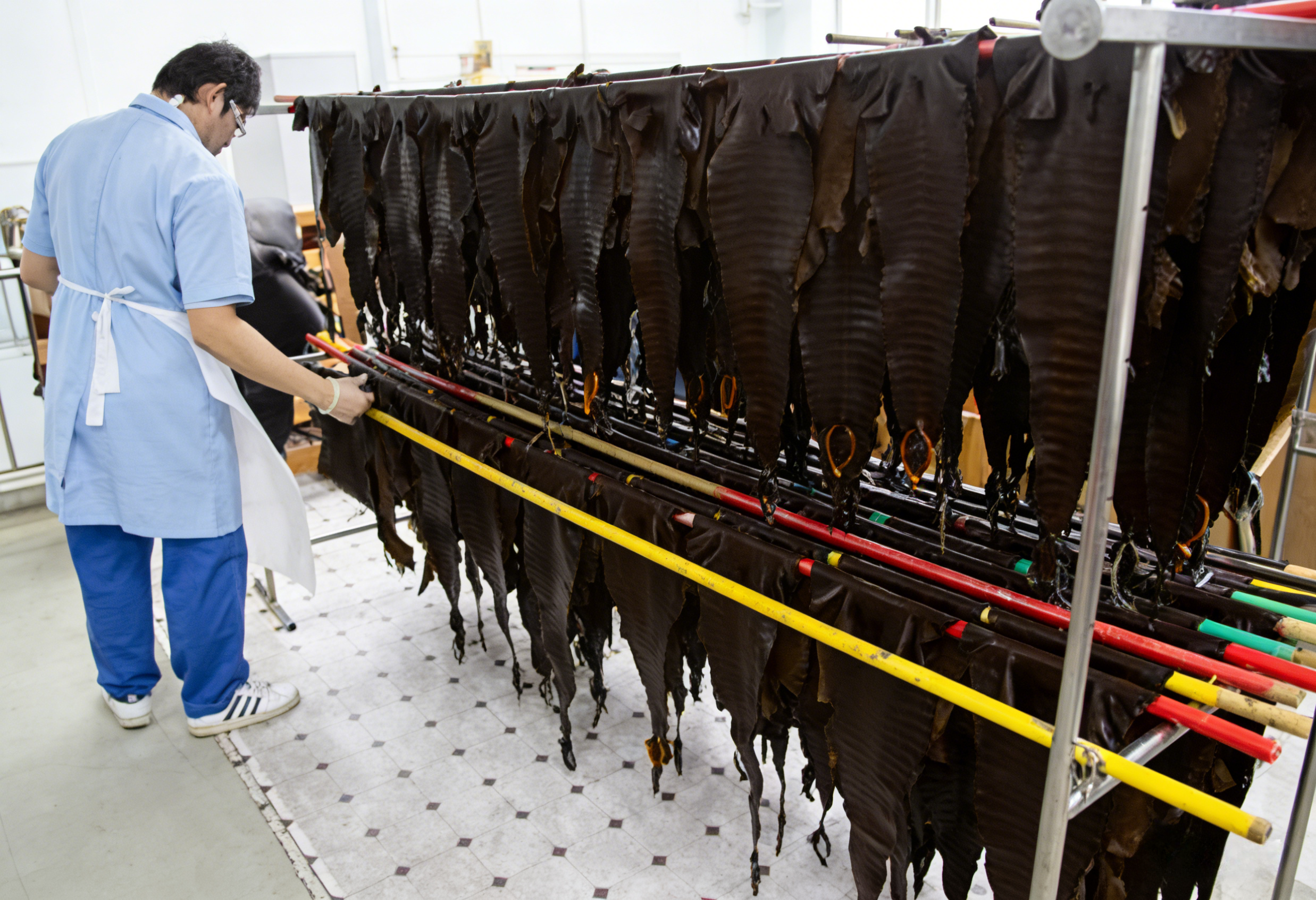
Our leather suppliers select leather based on requirements such as texture, thickness, and pore clarity. Many rare leathers even require specific management on farms to ensure perfect quality.
Leather processing emphasizes natural grain. Post-processing utilizes sophisticated dyeing and tanning techniques to ensure the leather is tough, durable, and has a unique texture.
Our stringent requirements for leather (using only a very small selection of top-grade leather) and the exquisite handcraftsmanship of French artisans are the core reasons for the high price of our leather products.